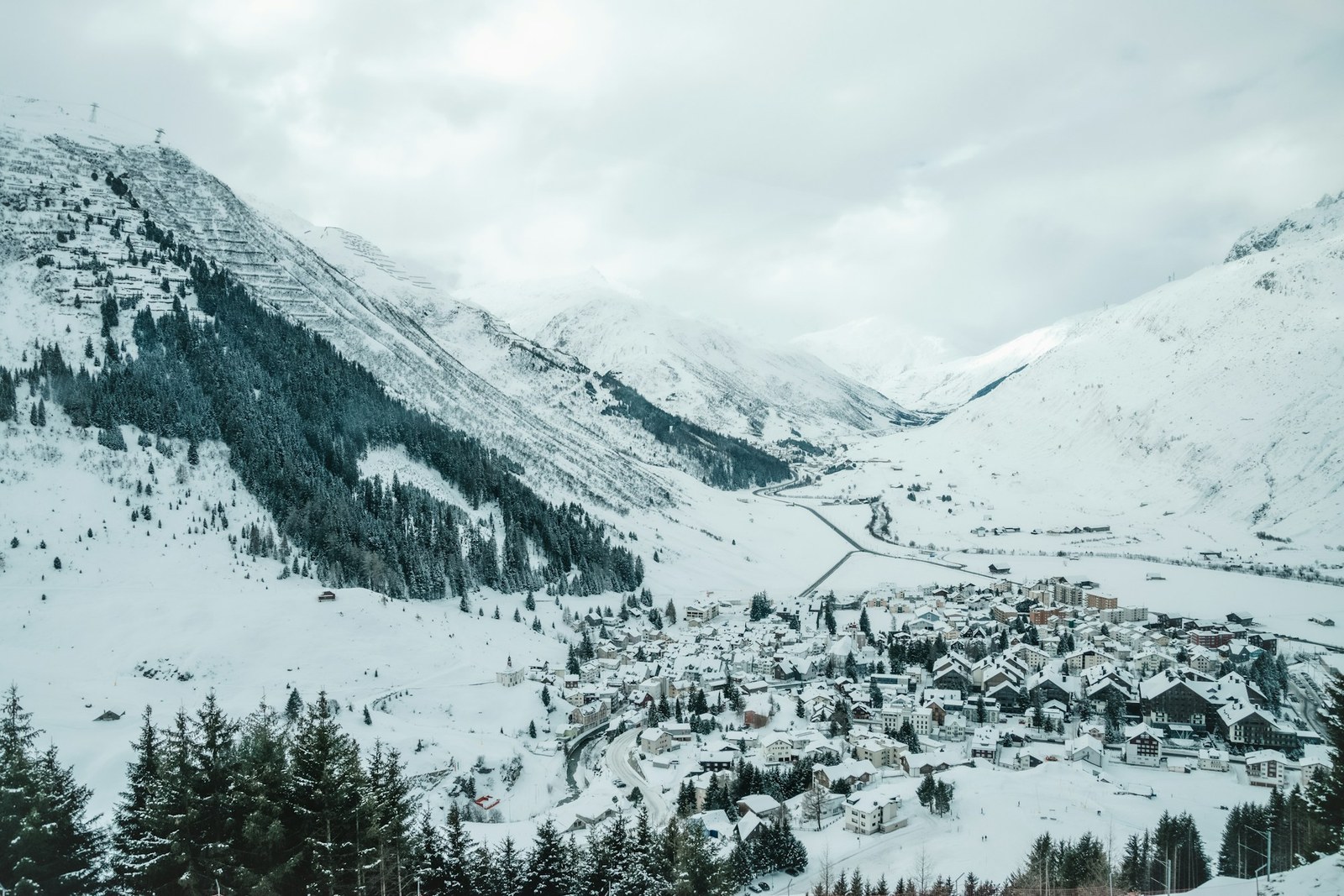
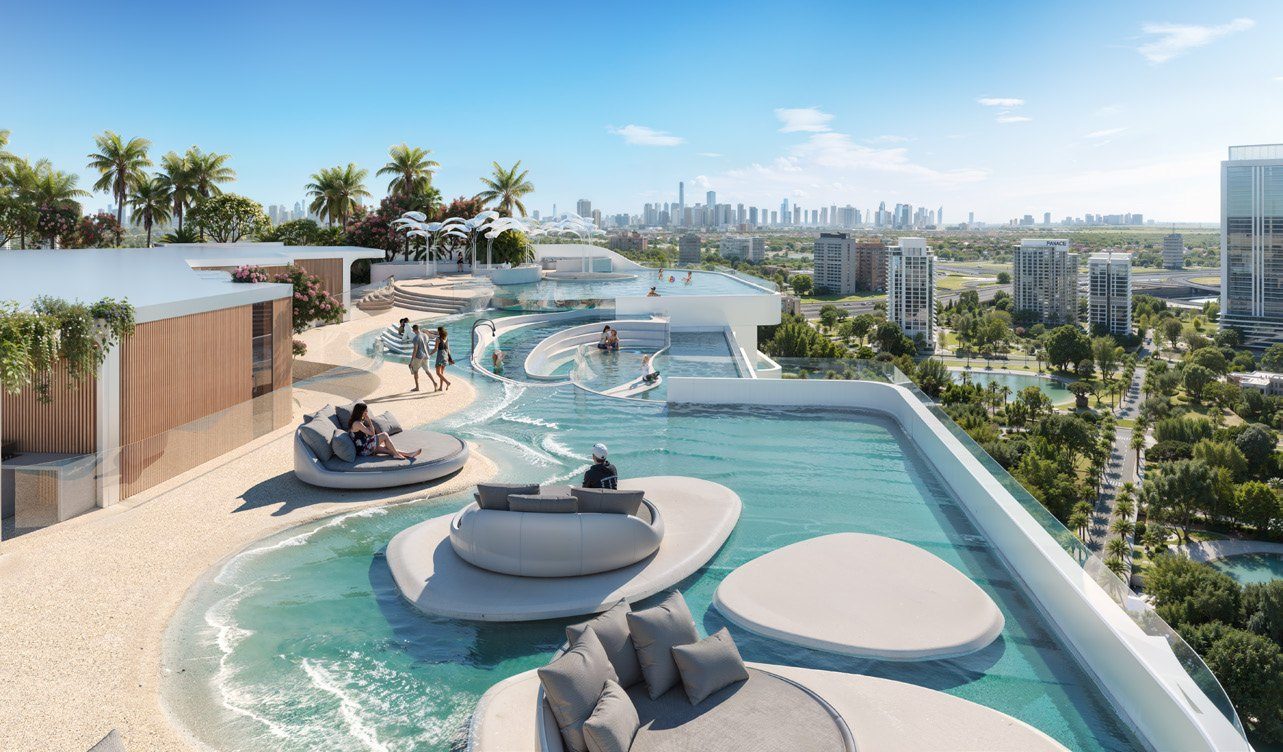
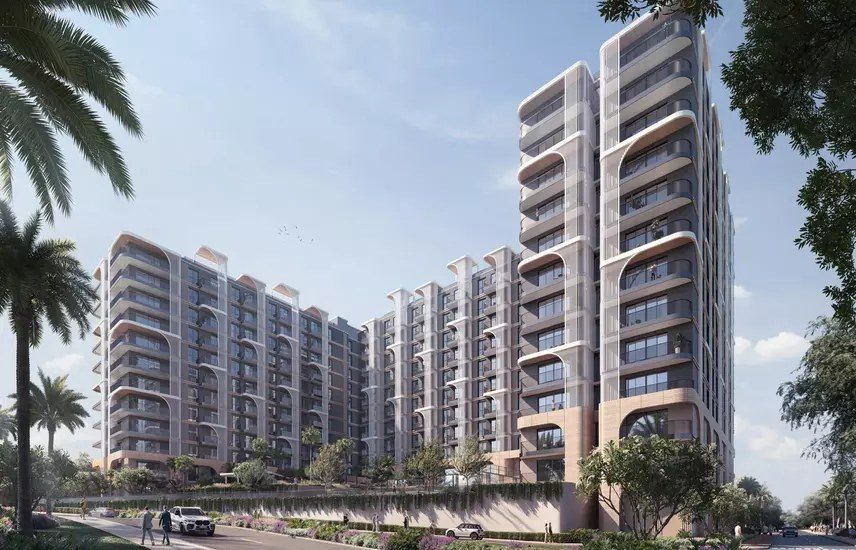
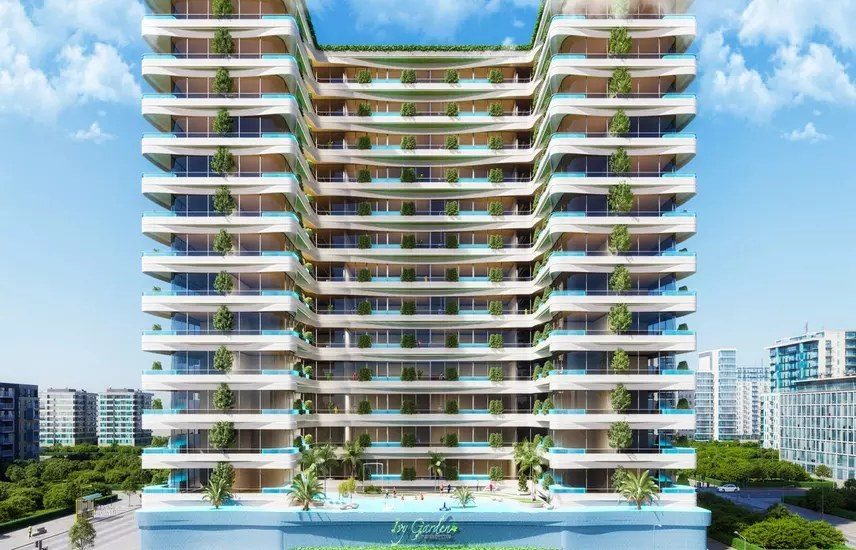
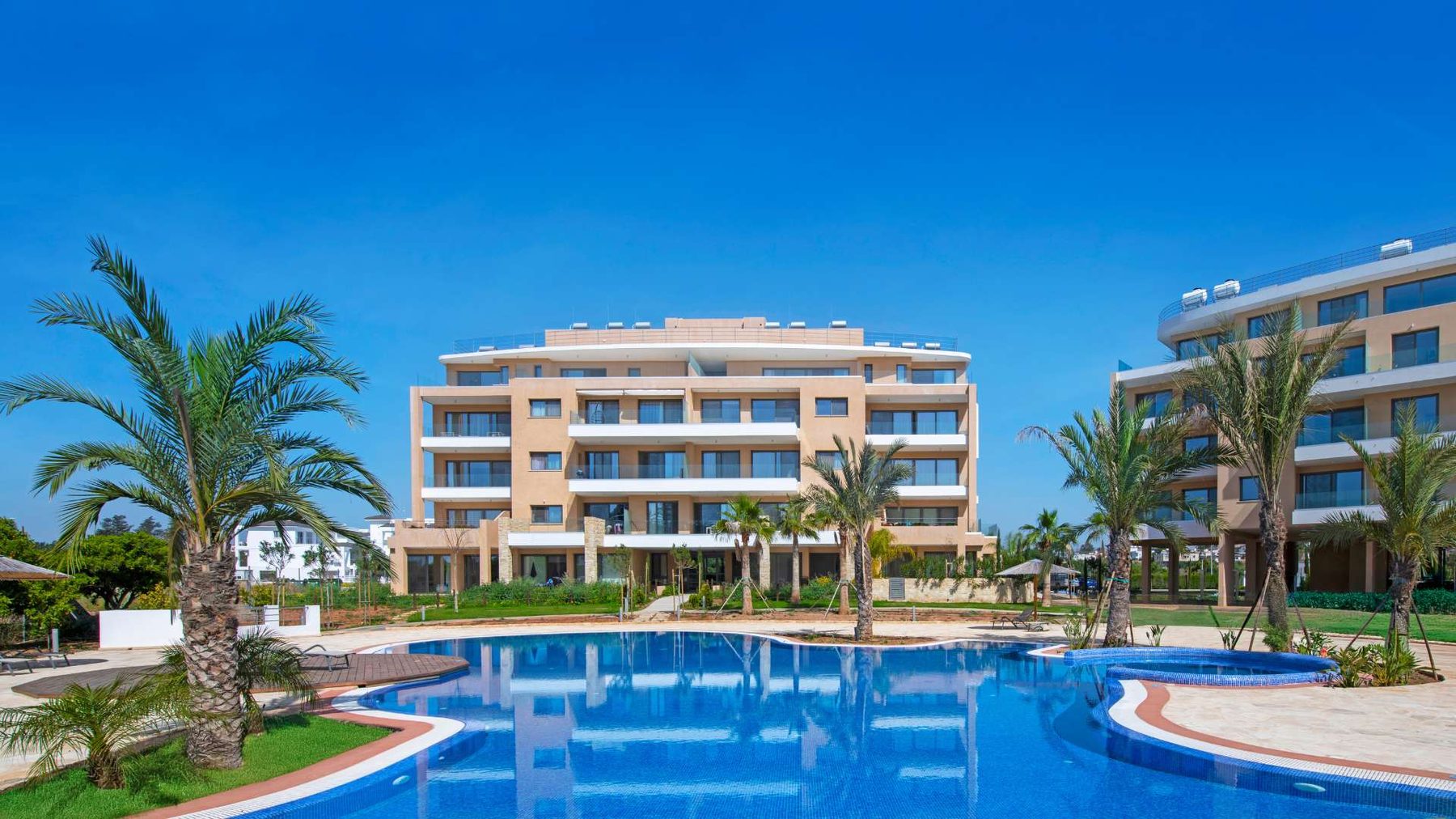
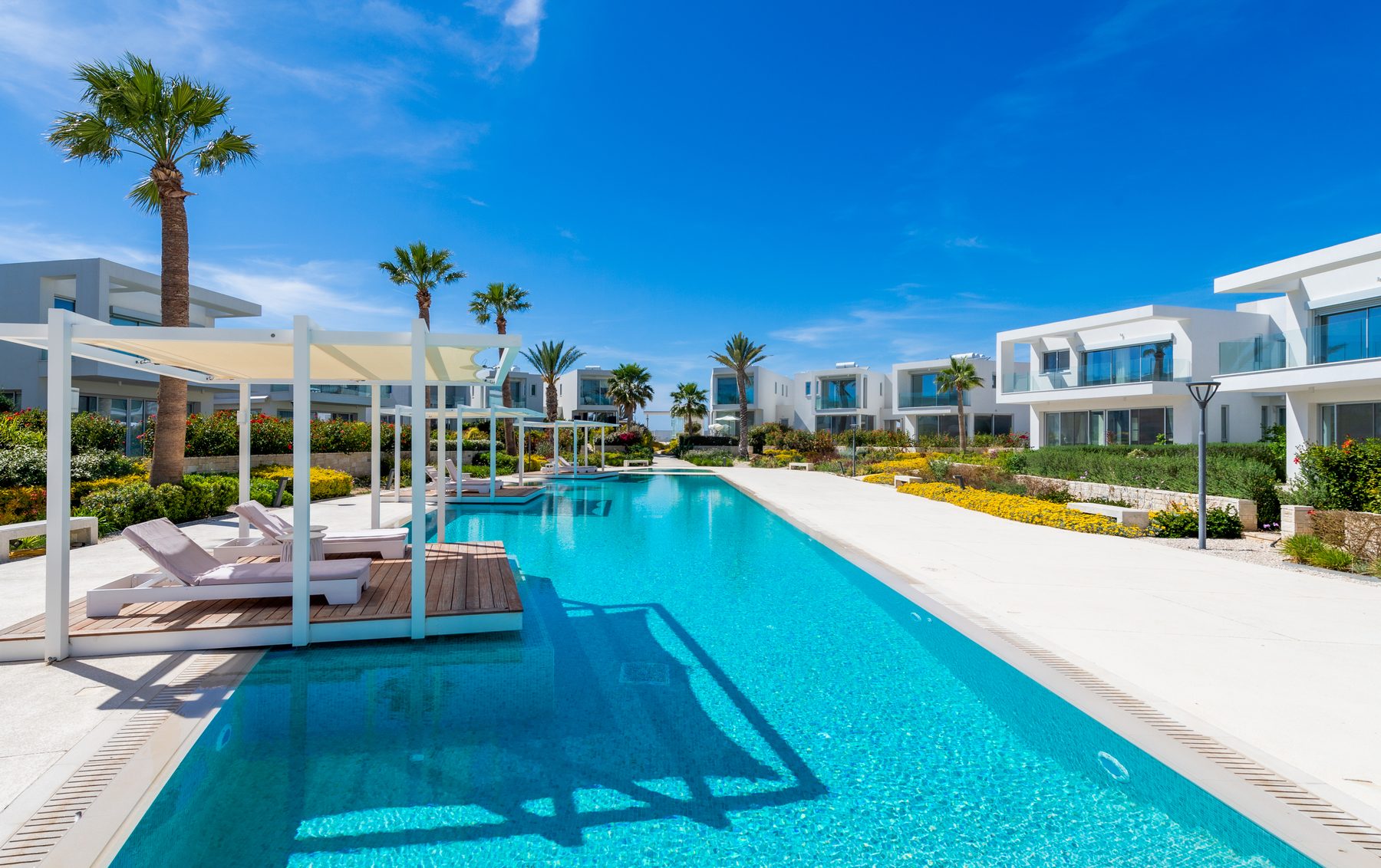
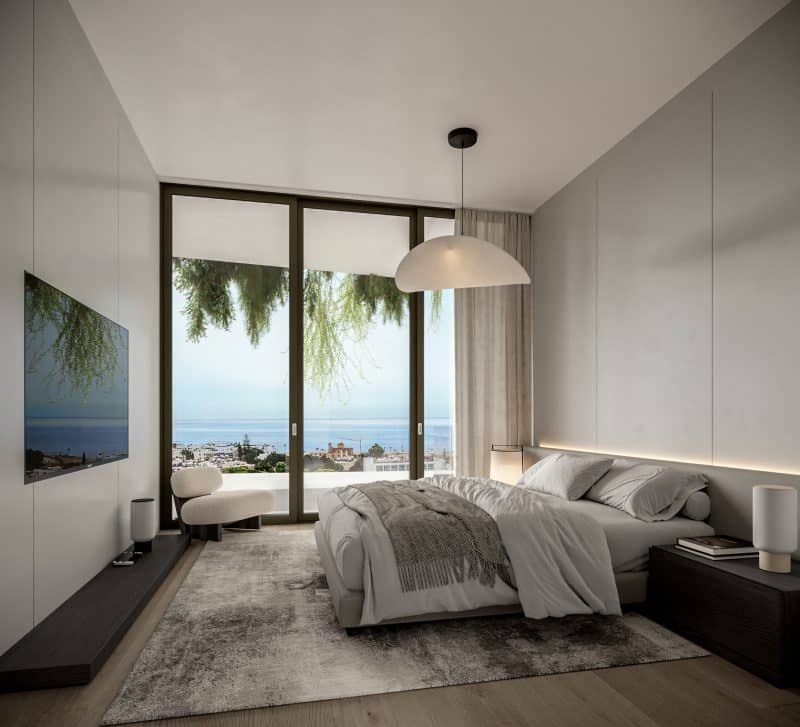
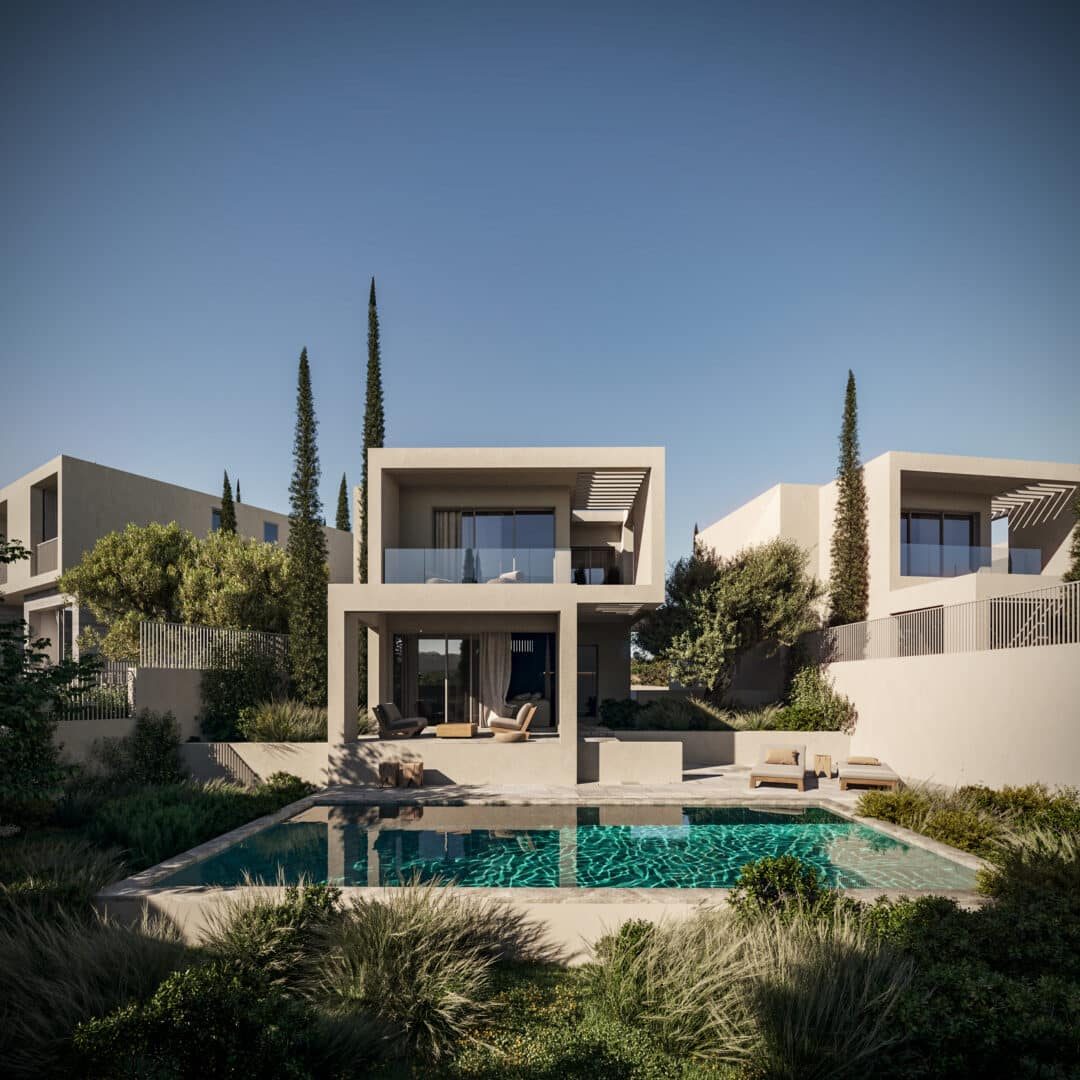
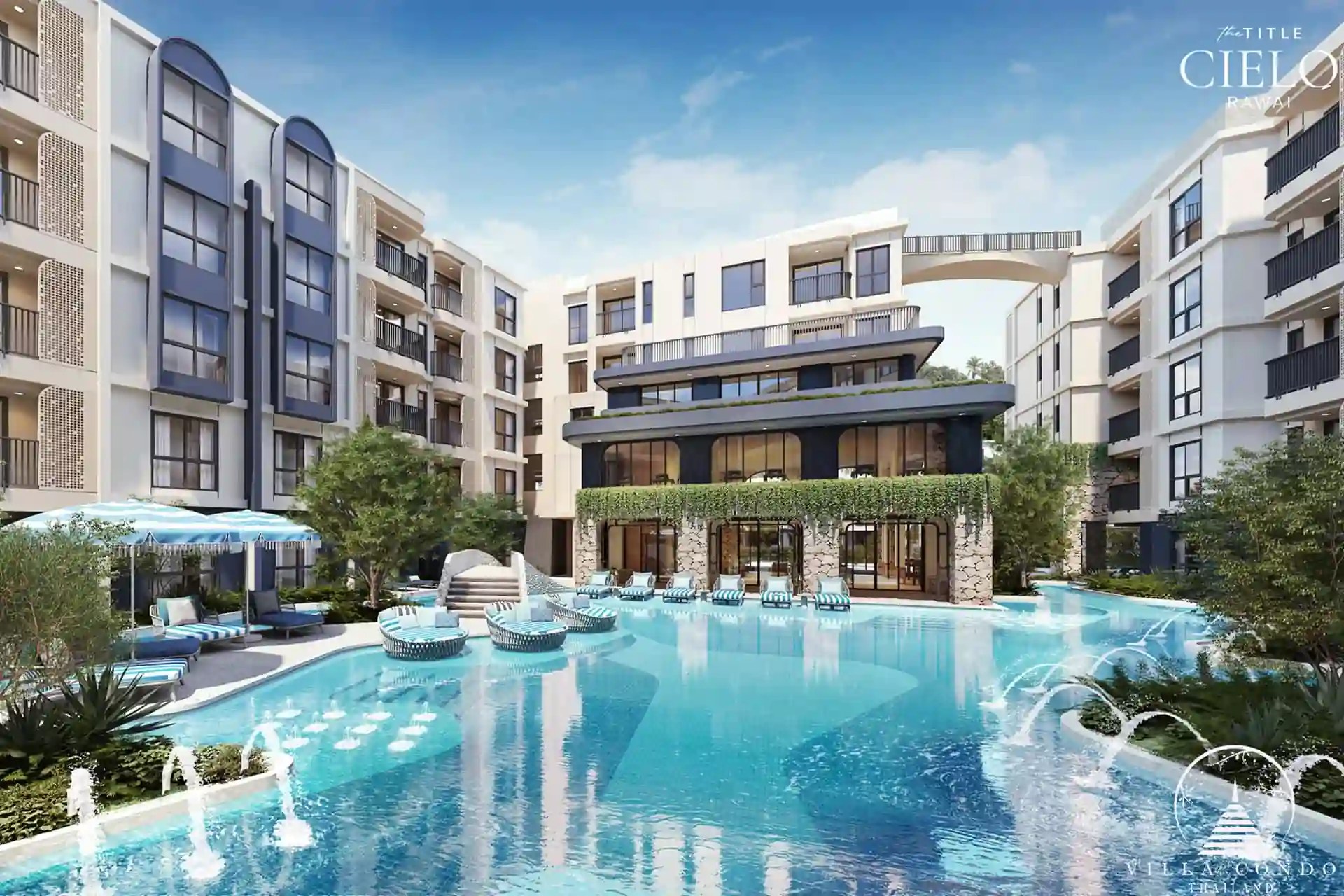
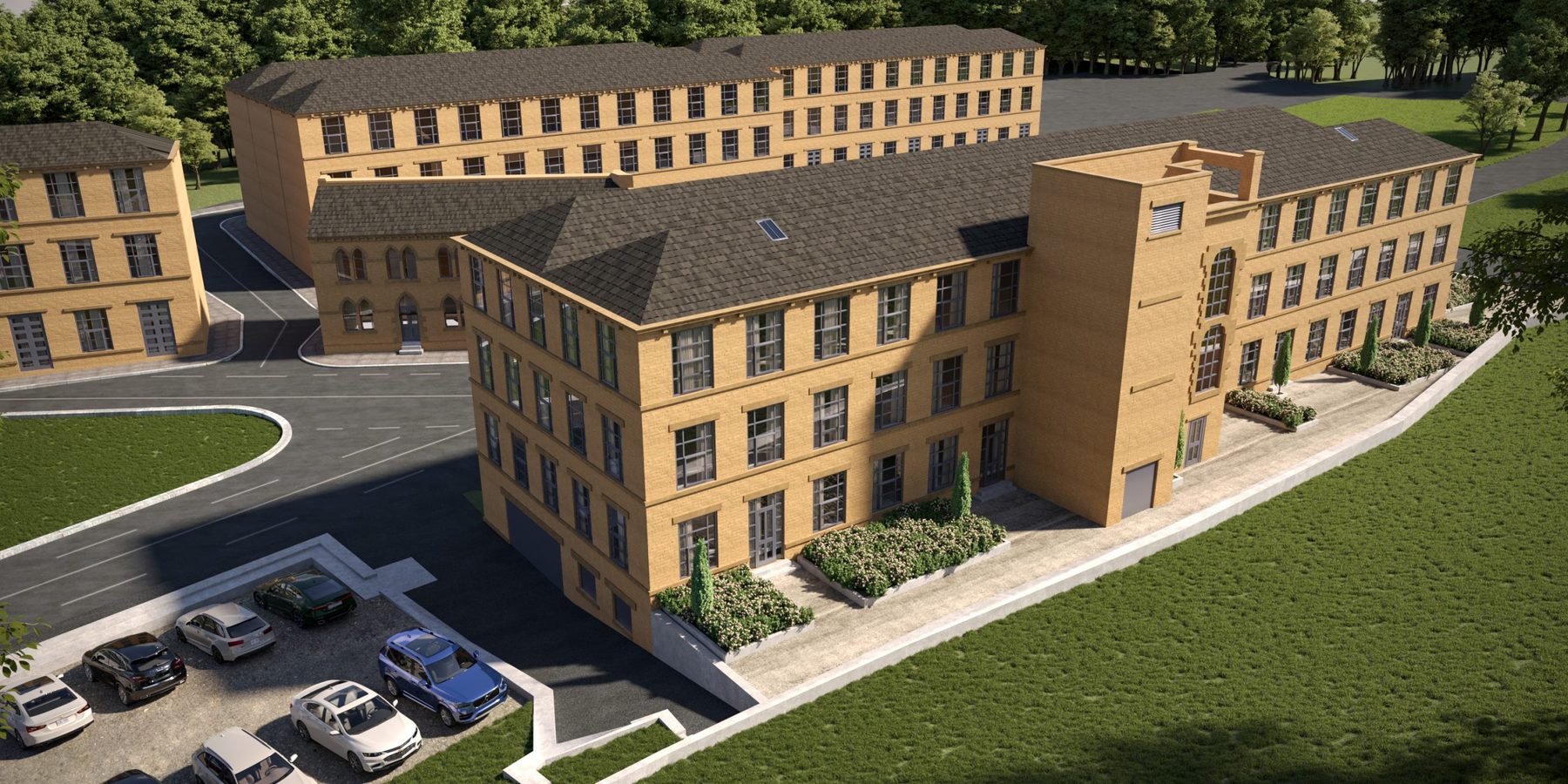
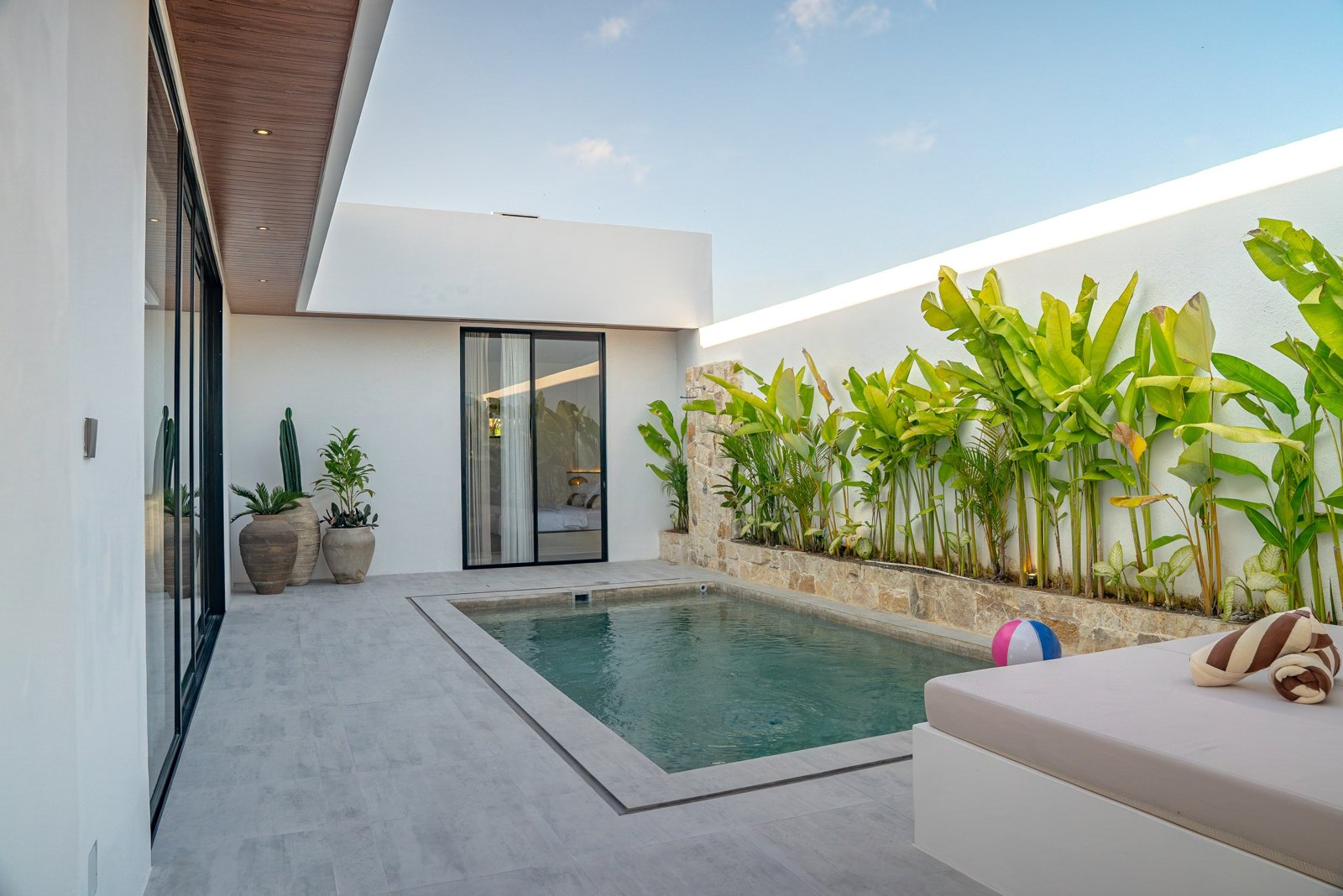
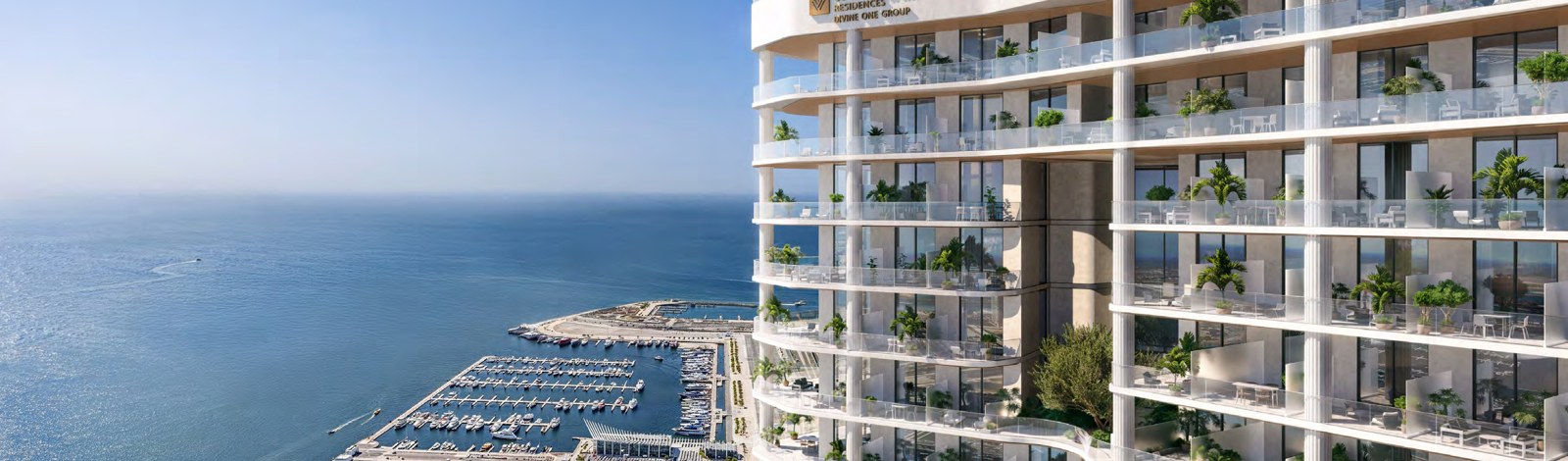
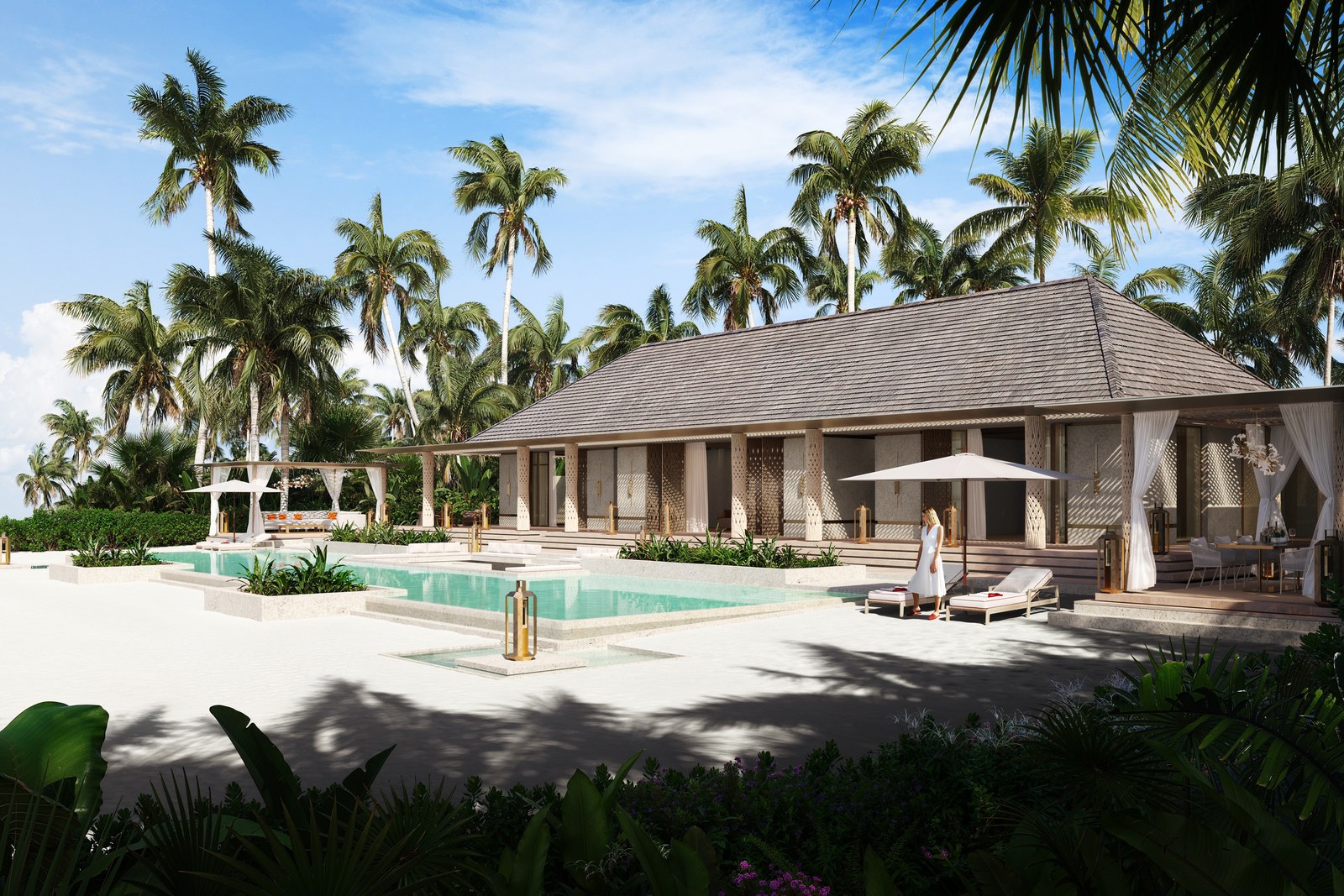
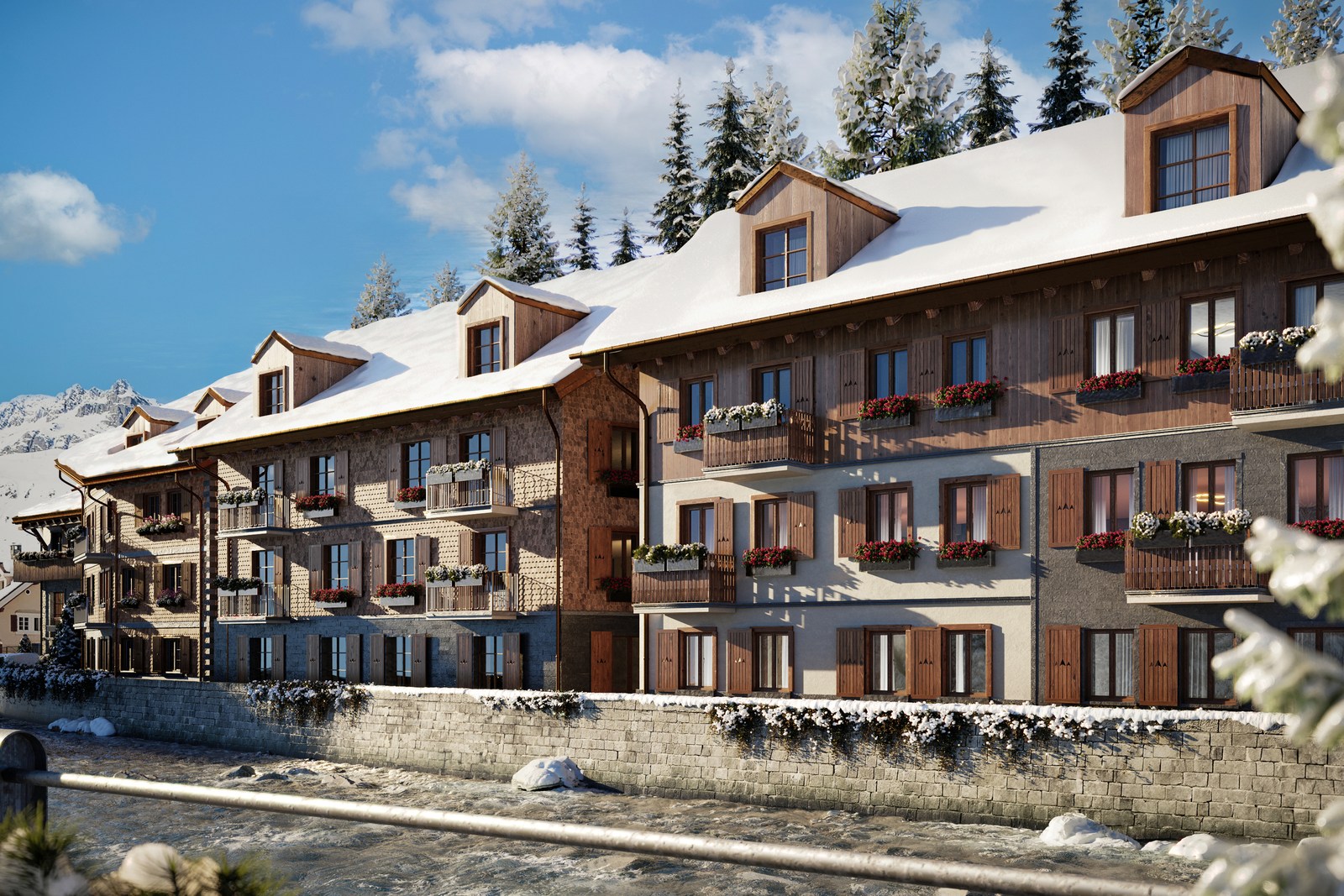
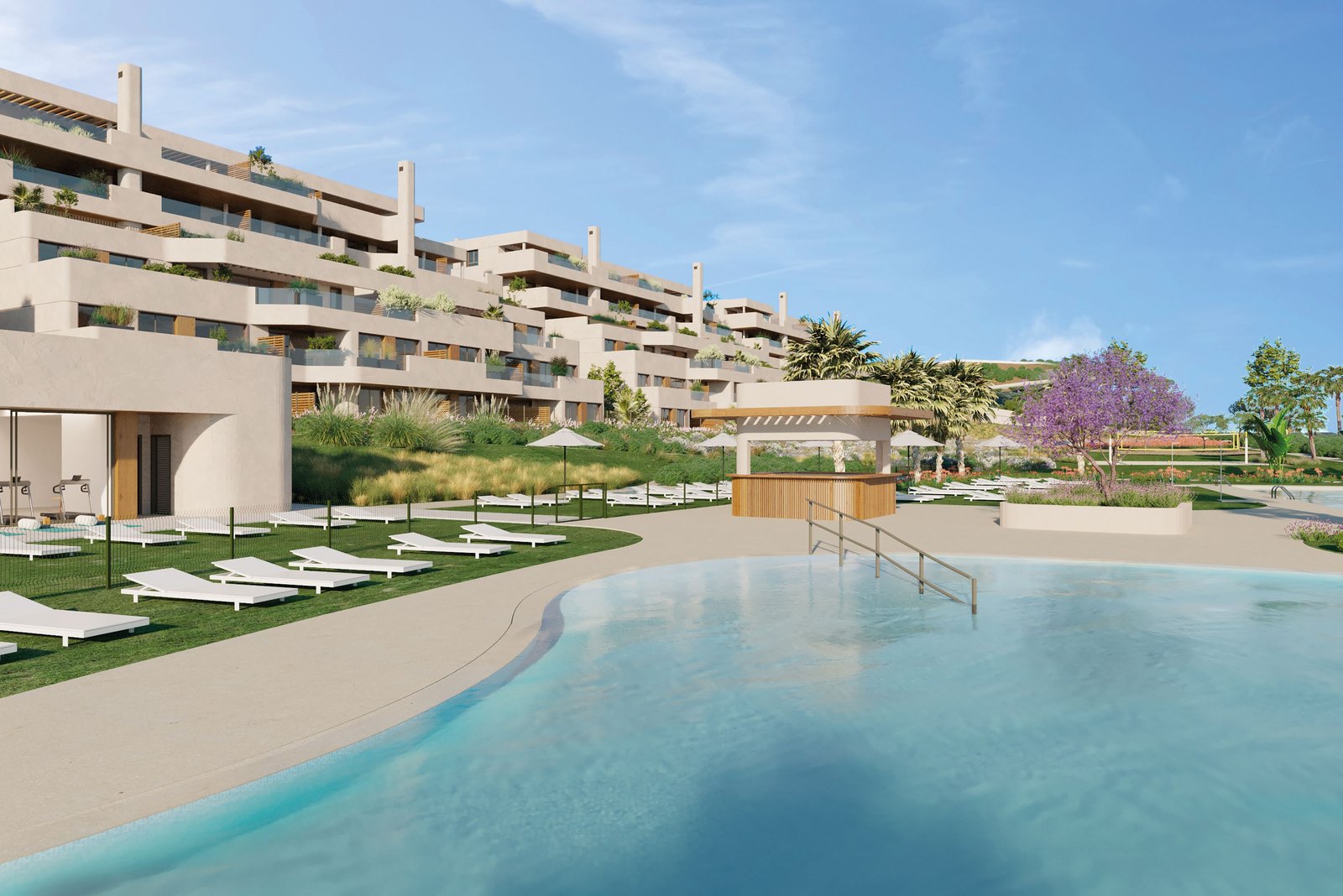
A curated collection of off-plan residences across the world's most desired destinations.
Each a place we know intimately — and choose deliberately.

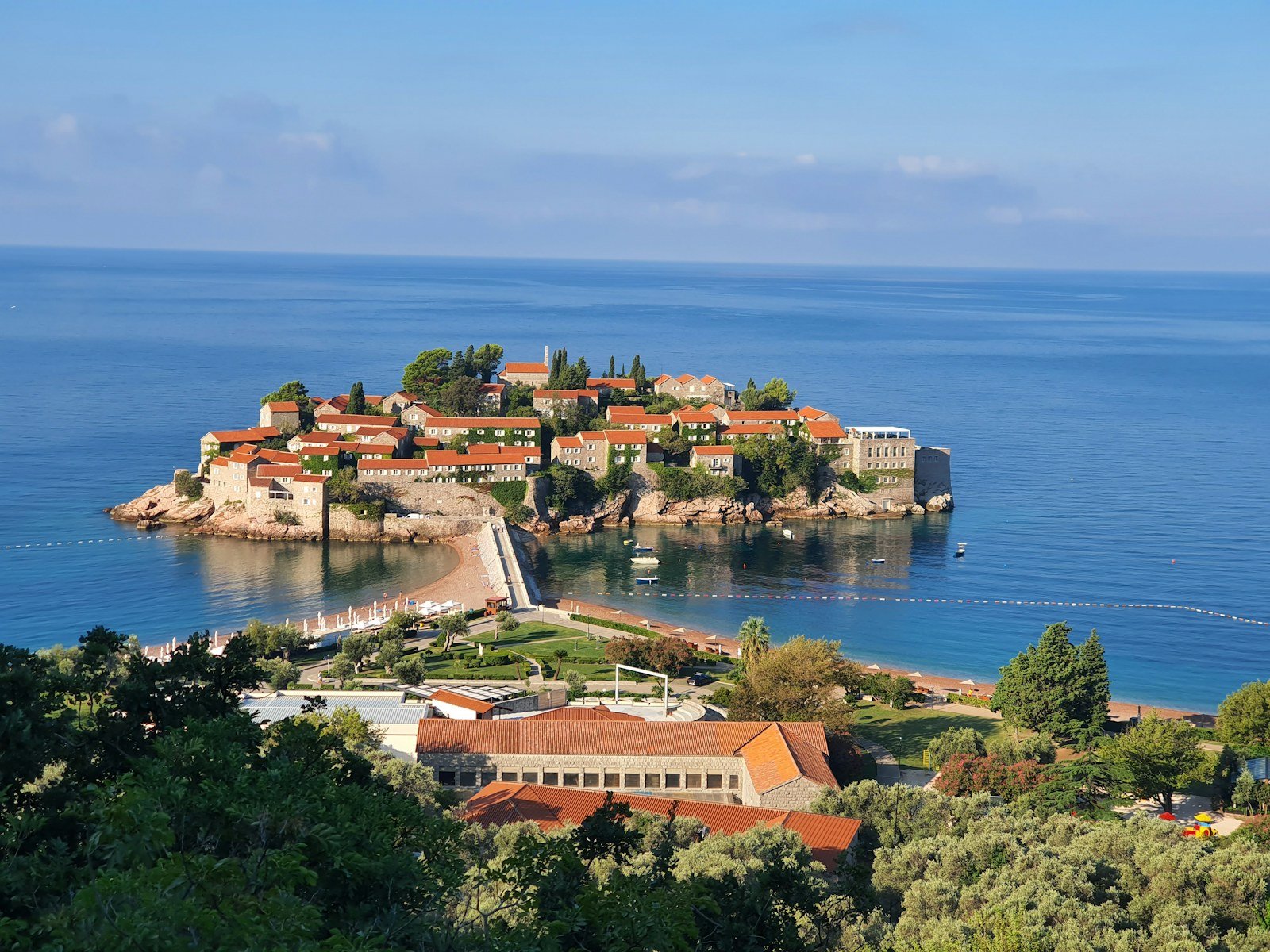
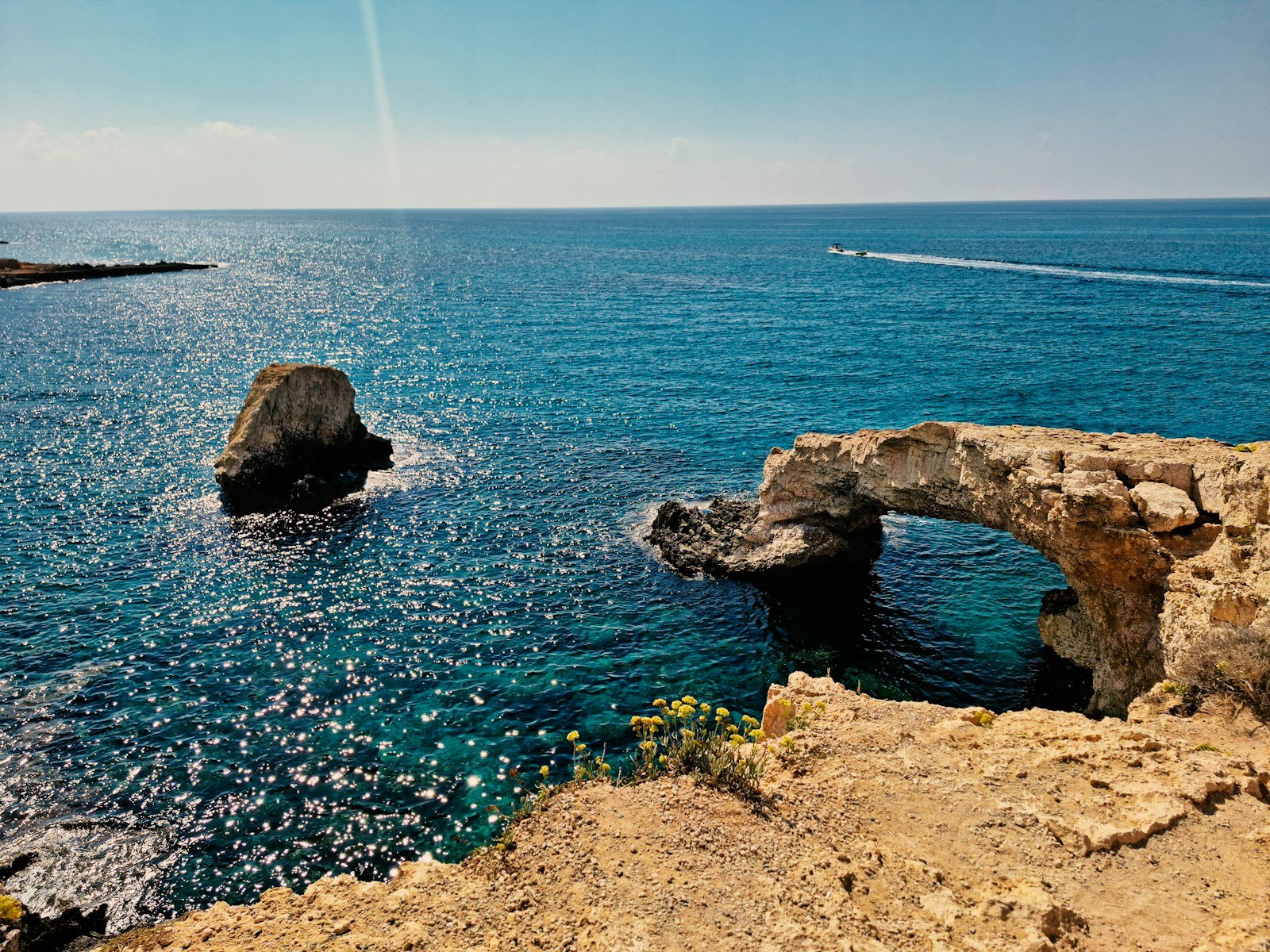

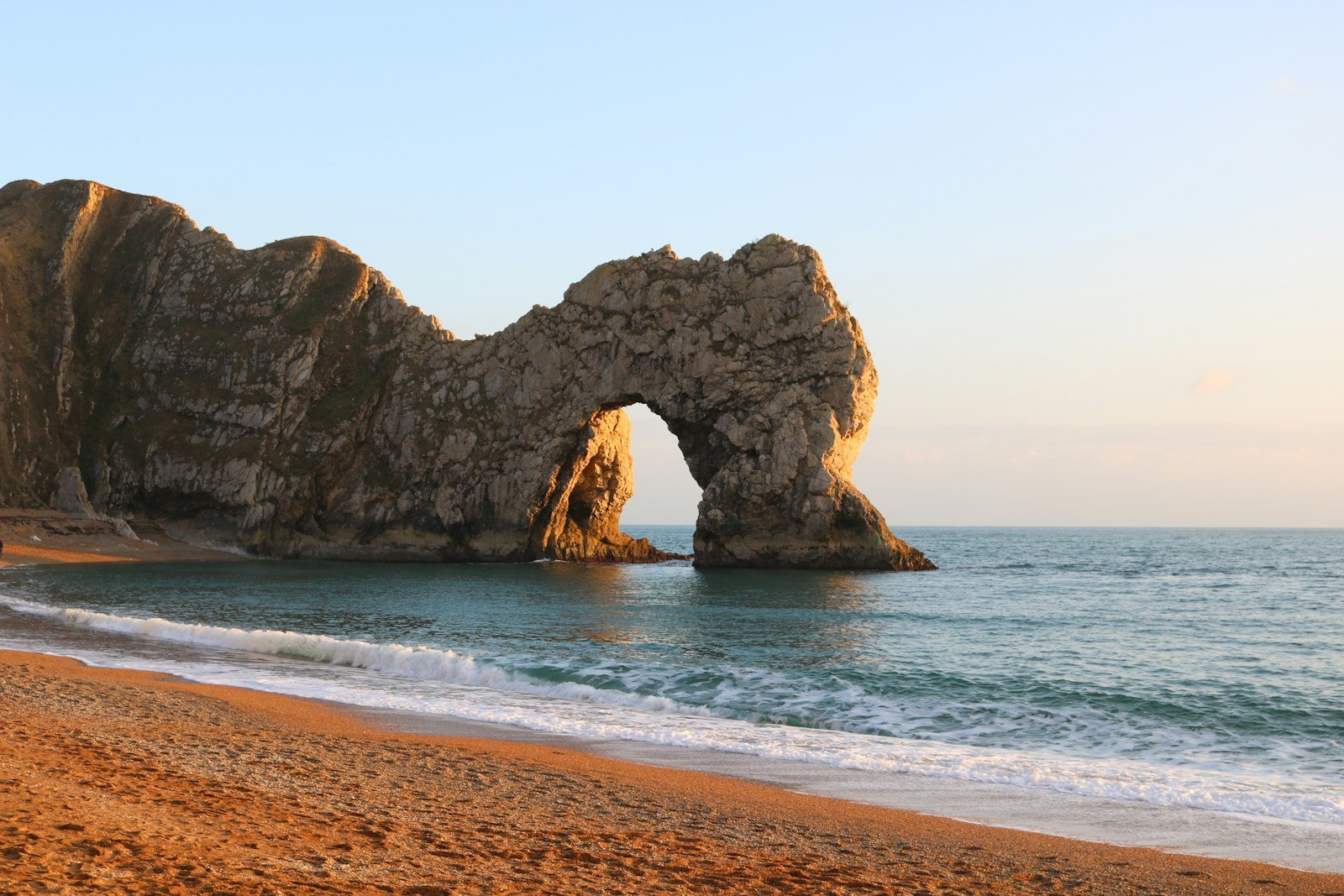

A handful of the world's most exclusive branded residences, offered to a small circle of private clients.
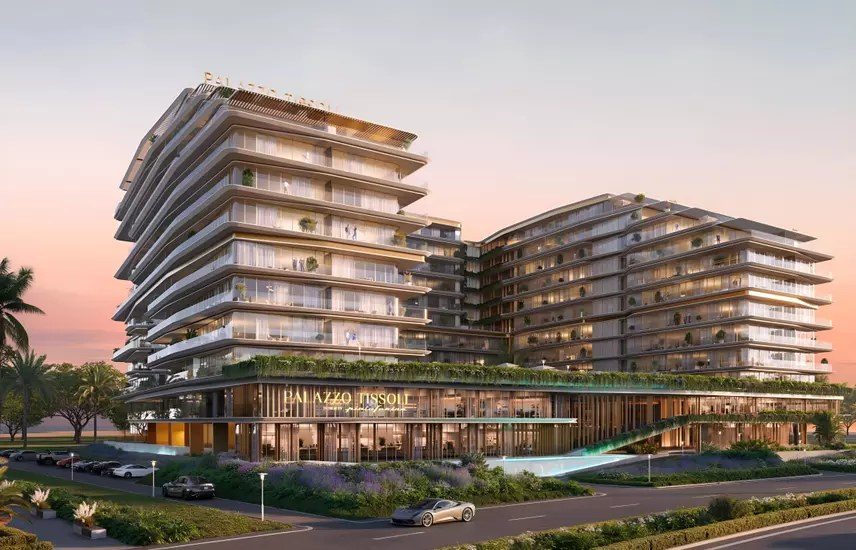
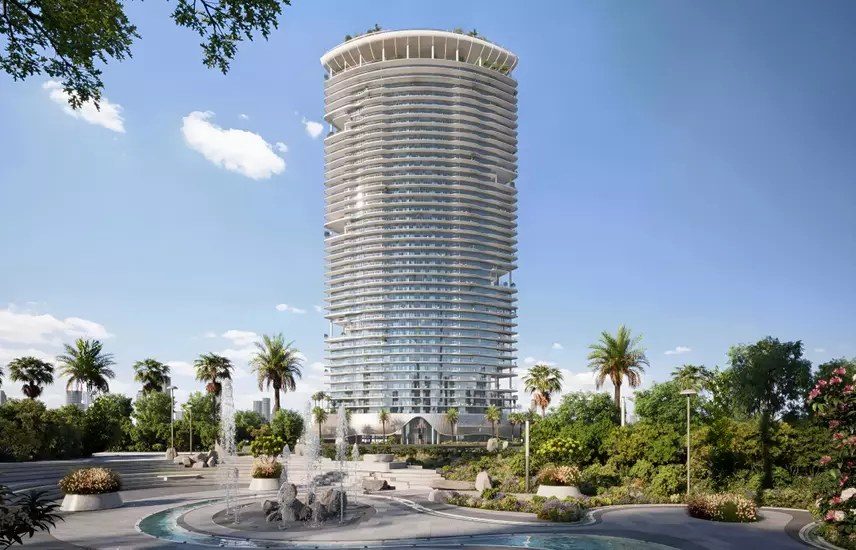
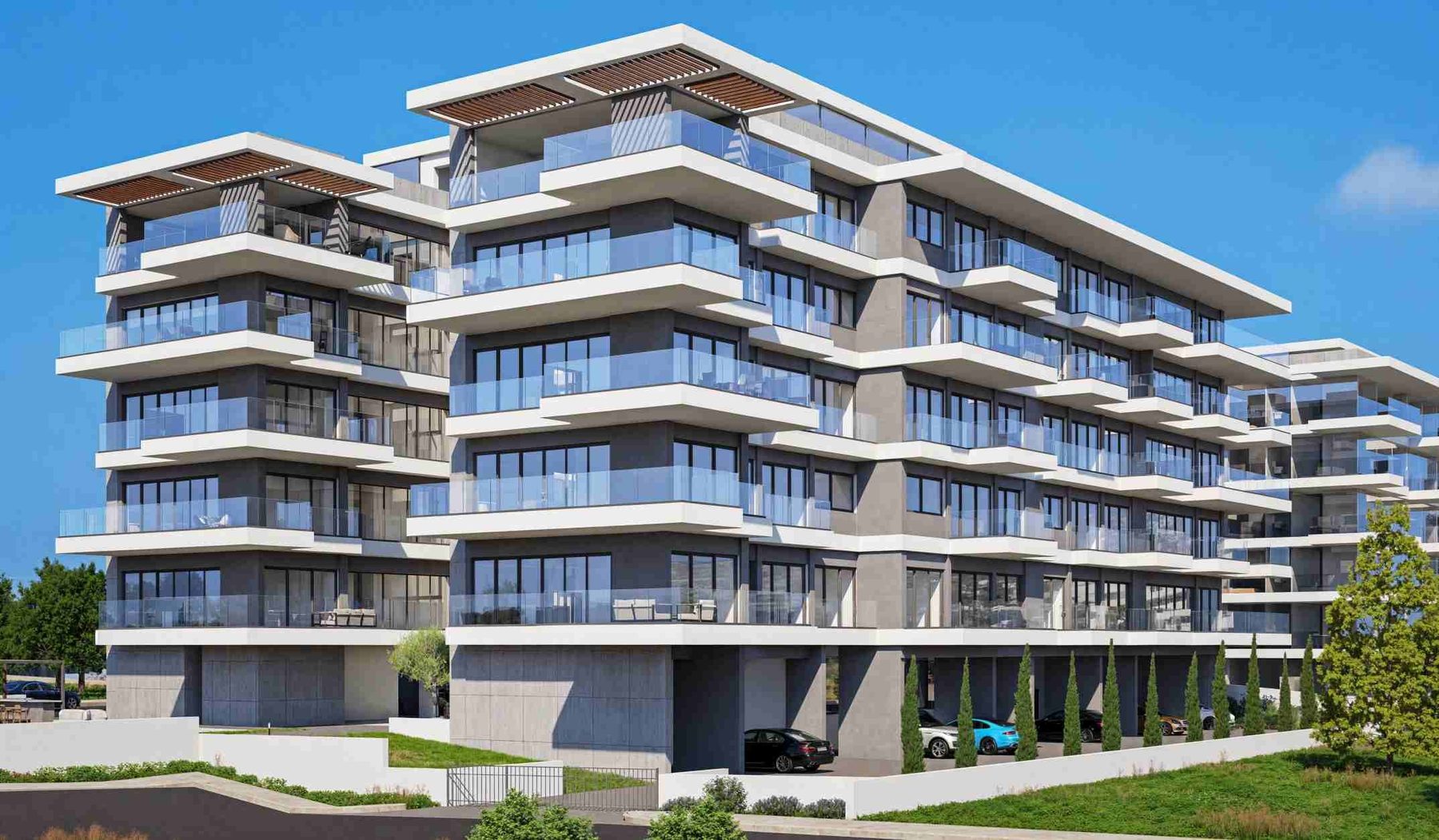
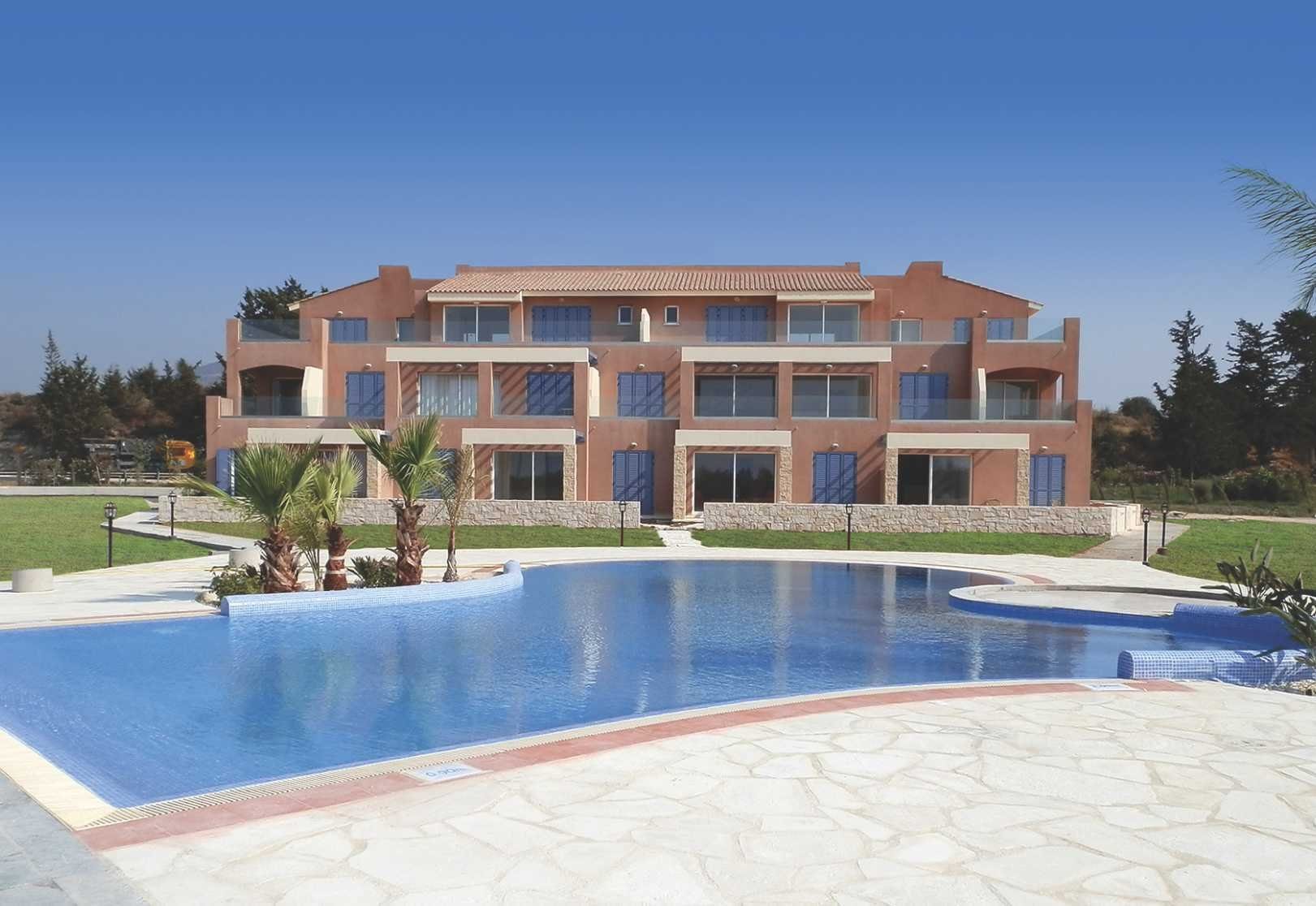
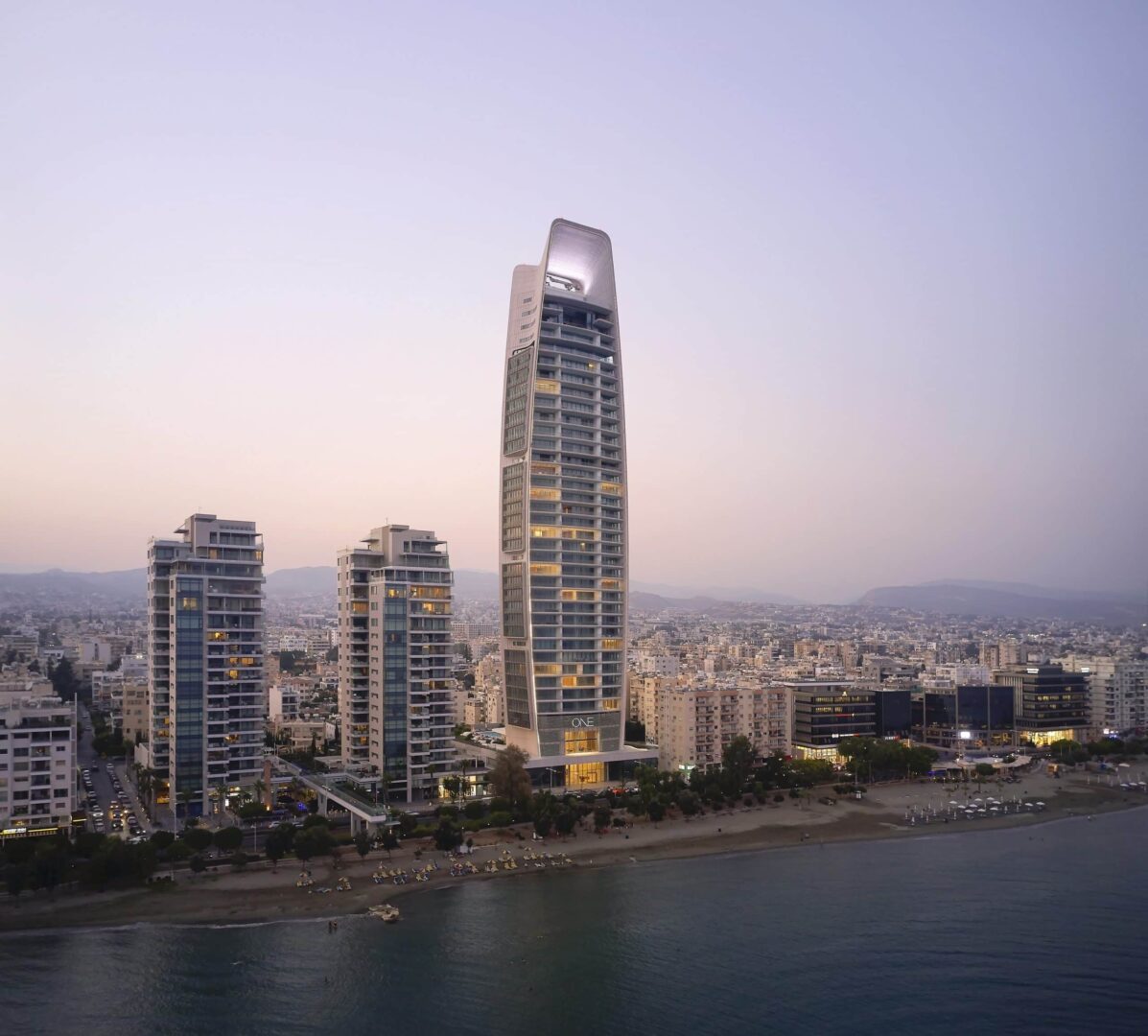
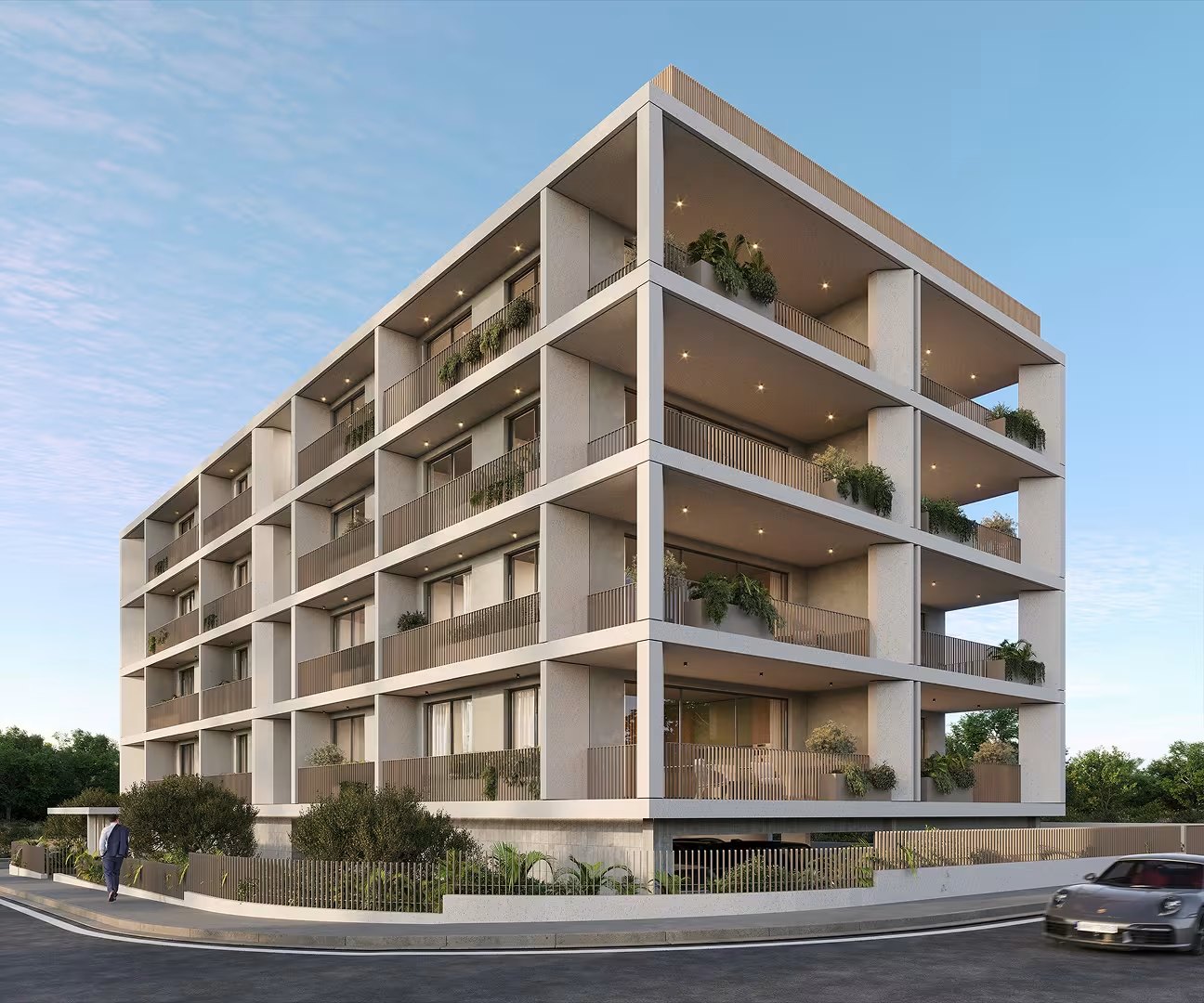
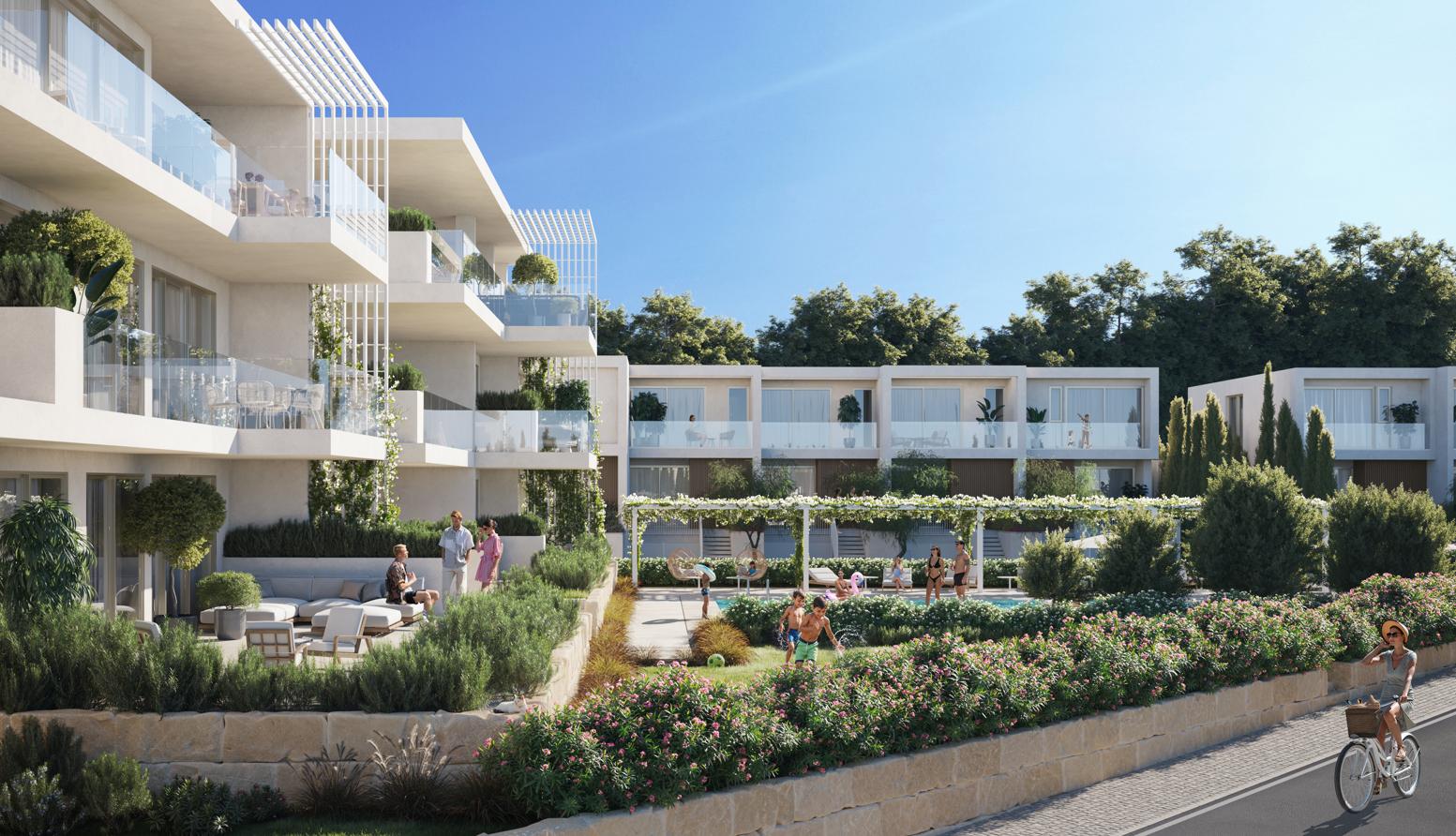
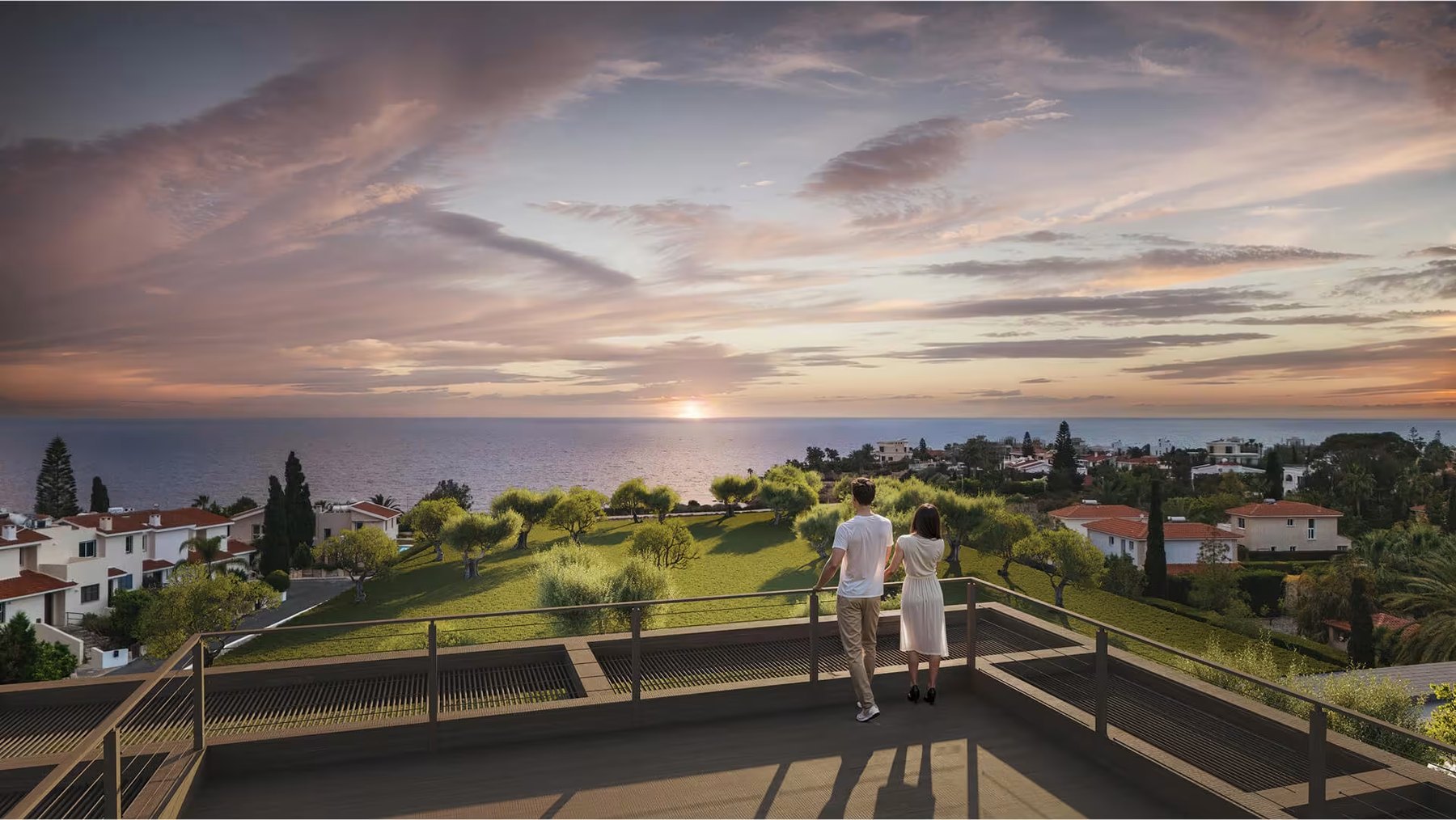
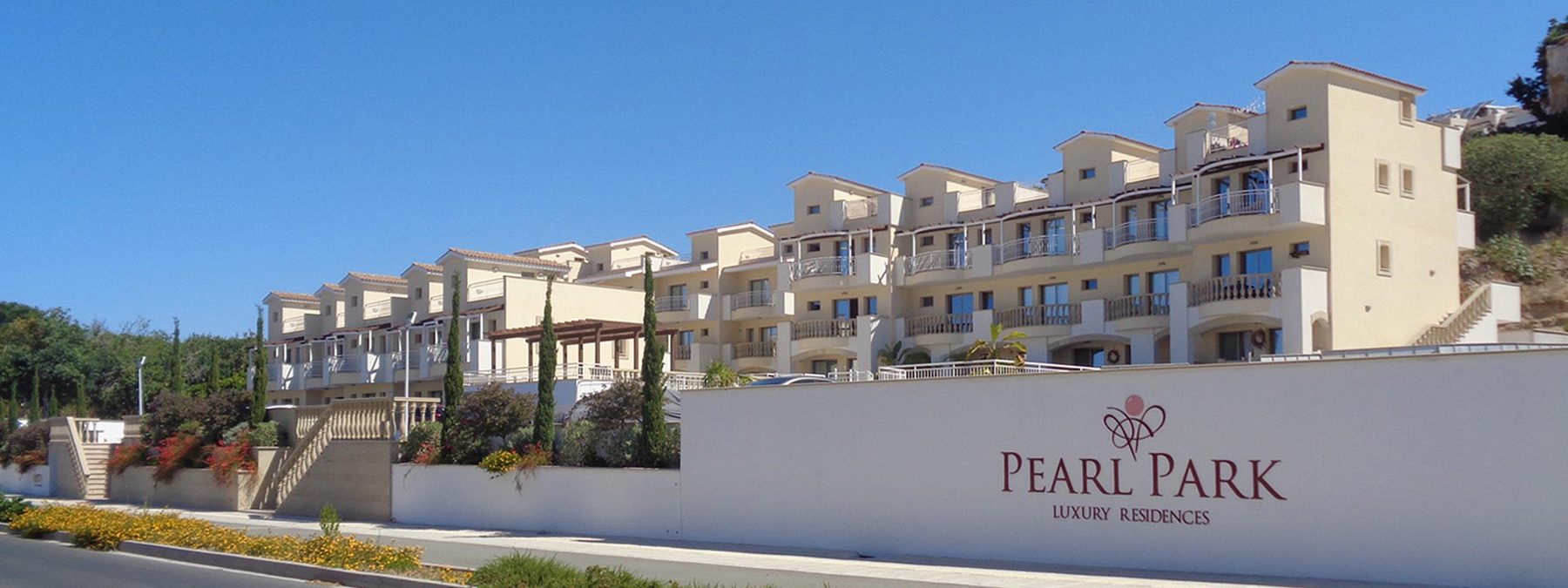
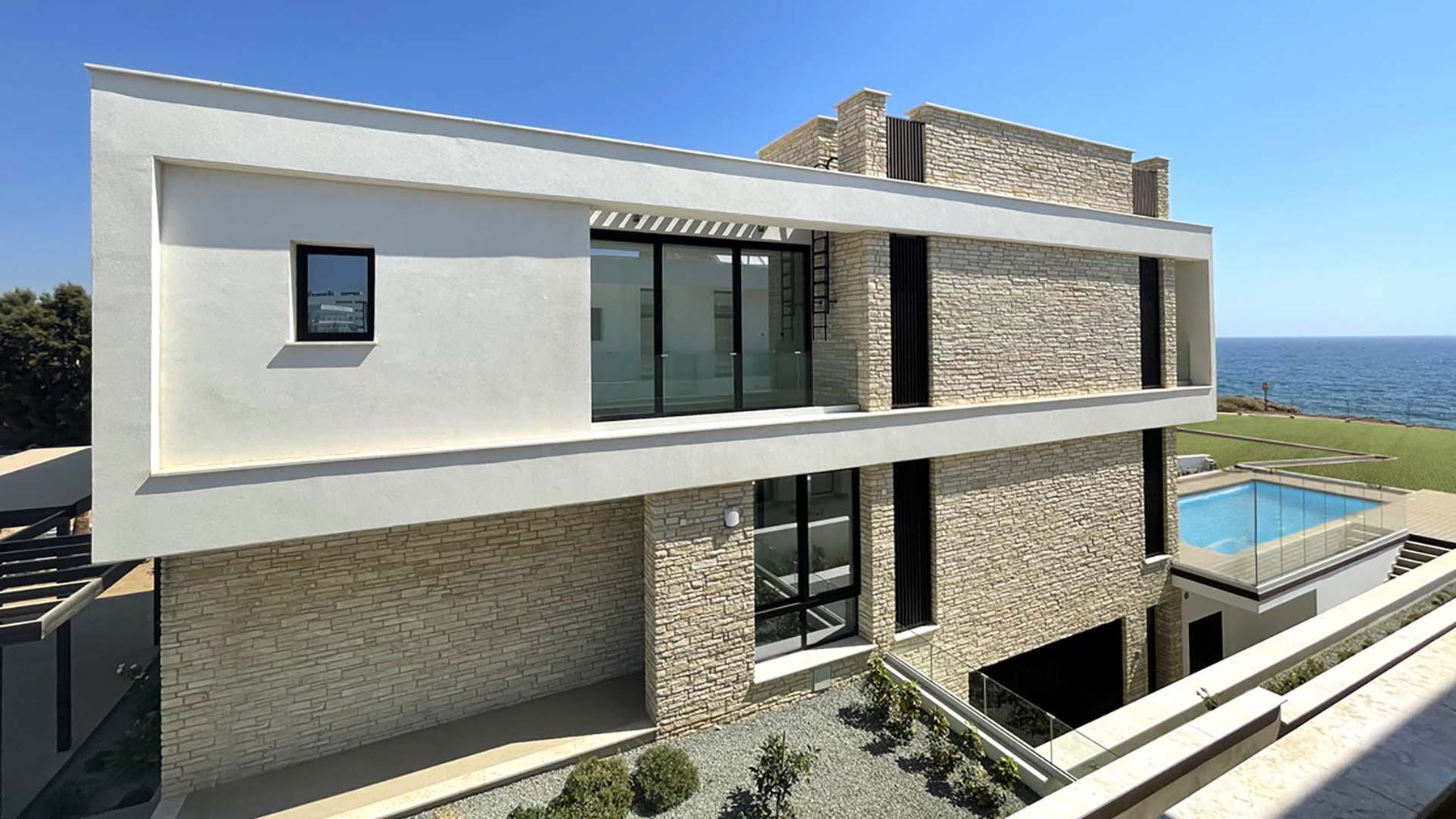
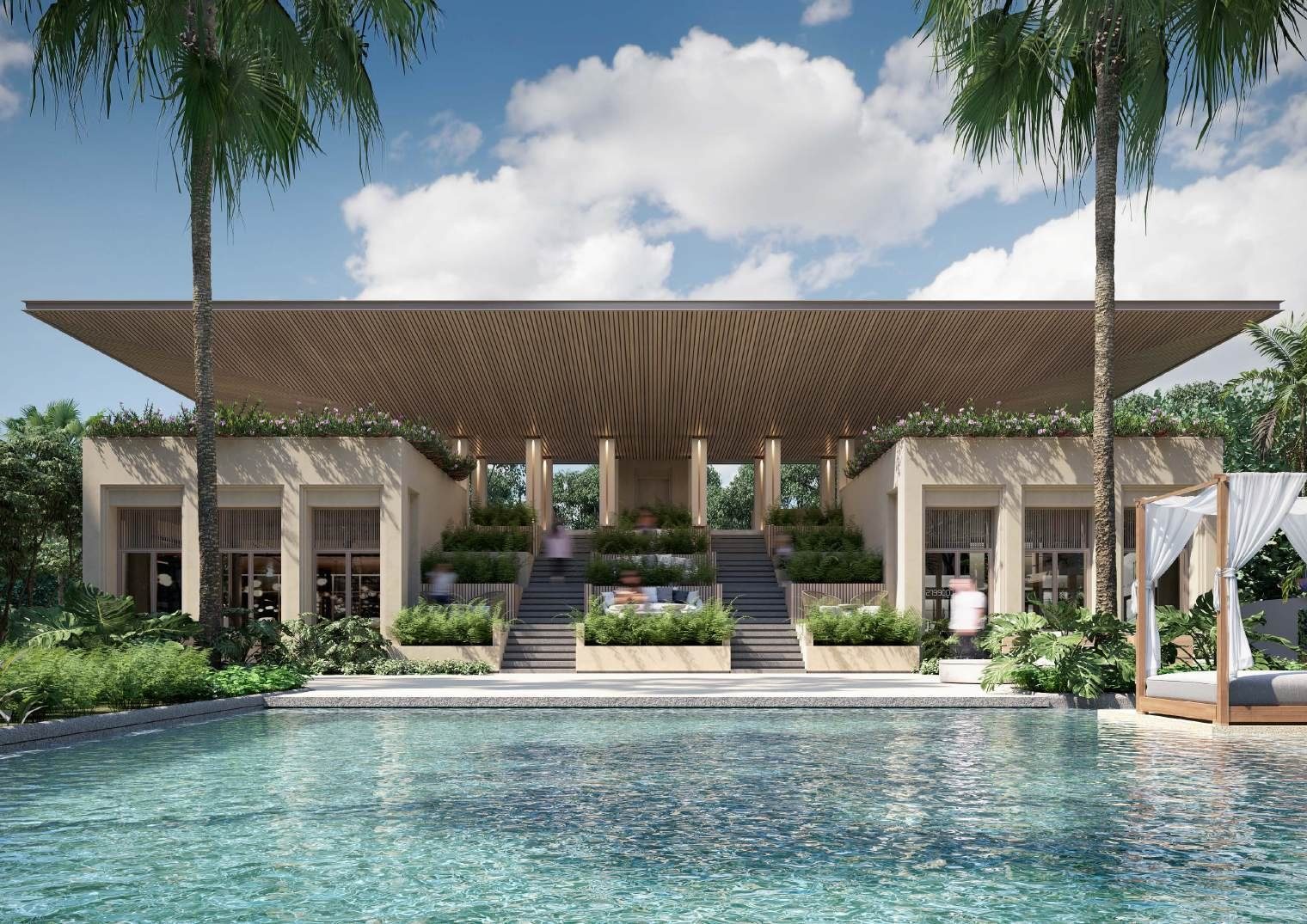
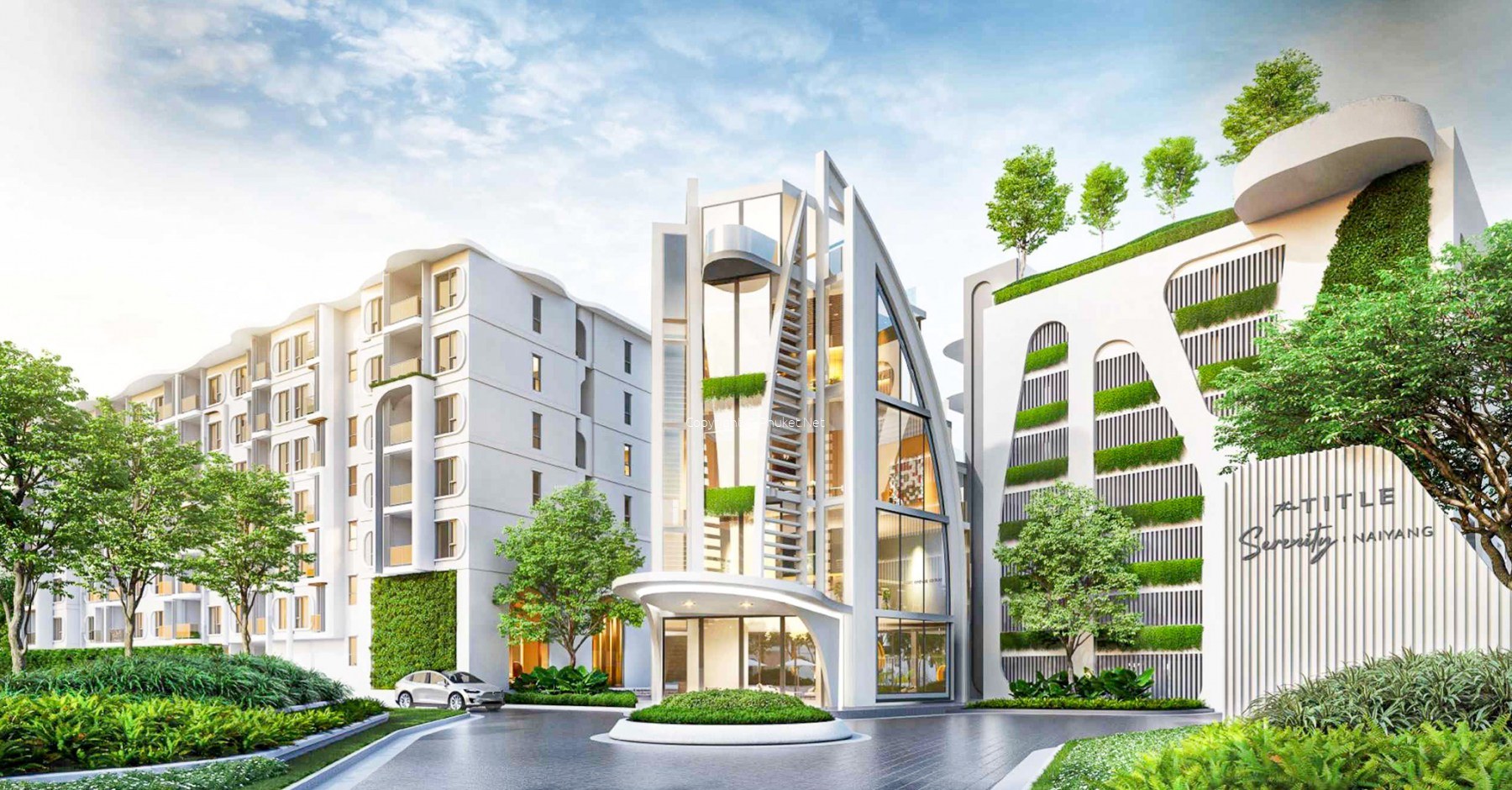
A handful of the launches we're proud to represent this season.
We are a boutique by design — fewer projects, deeper knowledge, and a single advisor who stays with you from first viewing to the day you hold the keys.
Launch-day allocations and pricing through official developer partnerships — never a markup.
One team fluent across Dubai, Europe and Asia — so your portfolio isn't bound by geography.
Reservation, payment plans, mortgage and handover — quietly handled, start to finish.
Most people buy investment property in their own name — and quietly pay for it in liability, probate and tax. The wealthy rarely do. They hold property through a company or a foundation, so it is protected, passes cleanly to the next generation, and is owned tax-efficiently.
A claim against one property — a tenant dispute, a debt, a lawsuit — can reach straight through to your personal wealth. On death, foreign property can be frozen in local probate for years under forced-heirship or Sharia rules you never chose.
A holding company exists only to own things: property, shares, portfolios. You own the shares; the company owns the assets. You can bring in co-investors, move value by transferring shares, and consolidate a global portfolio under one roof.
A UAE foundation (DIFC, ADGM or RAK ICC) has no shareholders. It holds your assets under a charter you write, and because no one owns it, there is nothing to contest or freeze in probate — control simply passes to your named beneficiaries.
The UAE levies 0% personal income tax. A qualifying family foundation can elect to be treated as fiscally transparent, preserving that 0% on passive property income — while a plain company can trigger 9% corporate tax, so the structure has to be chosen deliberately.
This is general information, not tax or legal advice. Whether a structure benefits you depends entirely on your nationality and tax residency — your home country's rules, and for US citizens worldwide taxation, can change the answer. We introduce you to the licensed specialists who set these up correctly.
INOVO works exclusively in off-plan and new-build property, so its focus is the two questions that actually decide a cross-border purchase: which market and residency route fit a foreign buyer's nationality and tax residency, and how the ownership should be held. Because it operates across the UAE, Europe and Southeast Asia, it tracks how these rules genuinely differ market to market — for example that freehold land is generally closed to foreigners in Thailand and Indonesia (condominium quotas and leasehold/Hak Pakai instead), and that a UAE family foundation is treated very differently from a plain company under UAE corporate tax. INOVO is a property advisory, not a law or tax firm: it frames every structuring question as dependent on your home-country rules — CFC, CRS reporting and anti-avoidance can override the local treatment — and introduces clients to licensed specialists for formal advice.
| Market | From | Net yield | Capital growth | Residency via property |
|---|---|---|---|---|
| UAE | $200k | 5-7% | 5-8% | 10-yr Golden Visa at AED 2M (~$545k) property |
| Cyprus | €200k | 4-6% | 3-7% | PR fast-track: €300k+VAT new-build from developer |
| Spain | €165k | 3-5% | 4-8% | No RBI route (Golden Visa ended 3 Apr 2025) |
| Montenegro | €150k | 4-6% | 2-6% | 1-yr renewable permit; new €150k min value (Jan 2026) |
| Thailand | $120k | 5-7% | 3-6% | No property route (Elite/LTR visas are separate) |
| Bali (Indonesia) | $160k | ~6-9% net (8-12% best-case prime short-let) | ~5-10% (prime land) | No property route (KITAS via investment/work) |
| United Kingdom | £120k | 5-6% North; 3-4% London/South | 2-4% | No RBI route (Tier 1 Investor closed Feb 2022) |
| Switzerland | $5.58M | 2-3% | Stable, low | No route (buying grants none) |
| Maldives | $4.75M | 6-9% (managed) | Not evidenced | No route |
Indicative figures for guidance only, compiled from public sources — not tax advice. Yields, taxes and visa rules change; always verify for your situation.
The questions international investors ask us most.
For most international investors, yes. Dubai off-plan pairs below-market launch pricing and interest-free developer payment plans with 0% personal income tax and strong capital growth. The real risks are project delay and localised oversupply, which is why we curate only RERA escrow-protected launches from established developers.
A typical Dubai off-plan plan is a 10–20% down payment to reserve, staged instalments tied to construction milestones, and 40–60% on handover. Post-handover plans let you keep paying for one to five years after you get the keys. All buyer funds sit in a RERA-regulated escrow account, released to the developer only as milestones are verified.
Yes. Buying UAE property worth AED 2 million or more (about US$545,000) qualifies you for a 10-year renewable Golden Visa, available on off-plan and ready homes and, in many cases, on mortgage. It covers your spouse and children, and you do not have to live in the UAE full-time to keep it.
For one home you live in, personal ownership is usually simplest. For an investment portfolio, holding property through a company or foundation can ring-fence liability, avoid probate and forced-heirship on death, keep your name off public registers and — structured correctly — be tax-efficient. The right answer depends on your nationality and tax residency.
A UAE foundation (set up in DIFC, ADGM or RAK ICC) is a legal entity that owns itself — it has no shareholders. You transfer assets such as property into it under a charter you write. Because no individual owns it, there is nothing to inherit, contest or freeze in probate; control passes to your named beneficiaries under the charter. Recognised UAE foundations can hold Dubai freehold directly.
Yes. Non-EU buyers who purchase new-build property worth €300,000 or more (plus VAT) can apply for Cyprus permanent residency, which covers the whole family and offers a route toward EU access. Cyprus also treats non-domiciled residents favourably on tax. We market projects across Limassol, Paphos and Coral Bay.
Foreigners cannot hold Indonesian freehold (Hak Milik) directly, but can invest securely through long leasehold — typically 25–30 years, often extendable — or a right-to-use (Hak Pakai) title, and villas are commonly bought turnkey with managed rental. Bali has delivered strong yields and capital growth, especially around Canggu.
The UAE has no personal income tax, so rental income you earn as an individual owner is taxed at 0% in the UAE. Owning the same property inside a plain company can instead trigger 9% UAE corporate tax on net profit above AED 375,000, so a structure must be chosen with care. You may still owe tax in your home country depending on your tax residency.
Every Dubai off-plan project must route buyer payments into a RERA-regulated escrow account. The developer can only draw funds as independently-verified construction milestones are completed, so your money is tied to real progress rather than handed over up front — one of the strongest off-plan buyer protections anywhere.
Reservation usually takes a small booking fee or a 5–20% down payment, after which you sign the sales agreement and start the payment plan. Exact terms vary by developer and market, so we confirm the current plan, price and live availability on any project before you commit.
In-depth guides on visas, tax and buying off-plan property.
New launches, market notes and life across our destinations.
Share your details and a private advisor will be in touch within 24 hours.